

Lengsel is a Norwegian progressive black metal band known for their unique sound and philosophical depth.
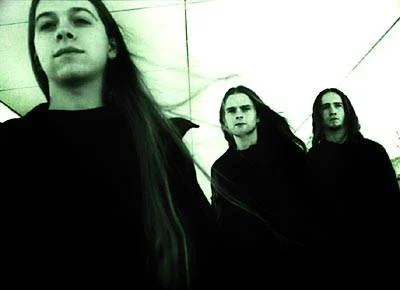
Lengsel was formed in 1995 in Oslo, Norway, by a group of friends who shared a deep passion for music and philosophy. The name “Lengsel,” which means “longing” in Norwegian, reflects a profound sense of spiritual yearning and introspection, themes that would permeate their music throughout their career.
From the outset, the band was heavily influenced by the burgeoning Norwegian black metal scene, both musically and aesthetically. However, unlike many black metal bands of the time, Lengsel rooted themselves in Christian philosophy. This placed them in stark contrast to the often anti-religious themes prevalent in black metal, setting them apart as a distinctive voice in the extreme metal genre.
The band’s lineup consisted of:
Early on, the band gained attention for their atmospheric and melodic take on black metal, blending raw aggression with somber melodies and philosophical lyrics.
In 1999, Lengsel released their debut album, Solace, on Solid State Records, a label known for promoting Christian heavy music. Solace showcased the band’s ability to merge ferocity with beauty, combining black metal’s icy riffs and harsh vocals with progressive song structures and introspective lyrics.
The album features:
While Solace was rooted in Christian philosophy, its themes were far from simplistic. The lyrics often wrestled with doubt and the struggles of faith, reflecting a mature and introspective approach to spirituality. This blend of raw emotion, technical prowess, and philosophical depth earned Solace critical acclaim within the Christian metal scene and beyond.
Following the release of Solace, Lengsel entered a period of relative inactivity. During this time, the members became heavily involved in other musical projects, most notably the highly influential Norwegian band Extol, which shared similar Christian philosophical roots.
Tor Magne Glidje, Ole Halvard Sveen, and John Robert Mjåland joined Extol in various capacities, contributing to albums such as “Undeceived” (2000) and “Synergy” (2003). Extol’s success brought the members of Lengsel into the broader progressive and extreme metal scene, allowing them to refine their skills and expand their musical horizons.
Although Lengsel was not actively releasing music during this period, the band remained an important creative outlet for its members, who continued to develop ideas for future projects.
In 2006, Lengsel returned with their long-awaited sophomore album, The Kiss, The Hope. Released on Whirlwind Records, this album marked a significant departure from the raw black metal of Solace. Instead, the band embraced a more experimental and progressive sound, incorporating elements of post-metal, avant-garde, and alternative rock.
While The Kiss, The Hope retained the philosophical and spiritual depth of their debut, its themes were less explicitly tied to Christianity. The album explored broader existential and personal topics, reflecting the band’s growth and evolution. Fans and critics alike noted the shift, with some praising the album’s bold experimentation and others lamenting the loss of the raw black metal edge from Solace.
Following the release of The Kiss, The Hope, Lengsel once again entered a period of dormancy. During this time, the members focused on their work with other projects, most notably the formation of Mantric. Mantric continued the progressive and experimental direction that Lengsel had begun to explore on The Kiss, The Hope, blending elements of alternative rock, progressive metal, and post-metal.
Mantric’s debut album, “The Descent” (2010), carried forward some of the thematic and musical ideas from Lengsel, effectively serving as a spiritual successor to the band.
Lengsel’s relatively small discography has had an outsized impact on the Christian and progressive metal scenes. The band is remembered for their willingness to push boundaries, both musically and thematically. While they began as a black metal band rooted in Christian philosophy, their later work transcended genre and ideological labels, focusing instead on the complexities of the human experience.
As of today, Lengsel has not released any new material since The Kiss, The Hope. While the band remains inactive, its members continue to be involved in other musical projects, particularly Mantric, which carries forward the experimental and progressive ethos of Lengsel.
Lengsel’s legacy endures as a band that dared to explore the intersections of faith, philosophy, and extreme metal, leaving behind a body of work that continues to resonate with listeners who appreciate both musical innovation and intellectual depth.
In 1997 we recorded the 3. The Lengsel demo in a closed down factory premises in Birkeland. The intention behind this demo was to see if any record labels were interested in what we were doing. This was before some of us had access to the Internet (at home), and addresses to actual lalbels were found in various underground zine’s. At this time I was living in my parents’ basement in Birkeland, and on a rainy day I had gone to get the mail I had lost a letter out in the rain. My mom happened to find this and the letter was styled for me. The letter was a contract proposal from a German underground company called Soslistitium Records, which had released bands like Behemoth, Horna, Tsjuder and more. Remembering how great it feels to get a good response to material we had been working on lately! We soon established contact with Carsten, who runs the company, and went to visit him in Germany, had breakfast with his parents and greeted some of the environment he hung out with in Germany. It was a good time.
We knew early on that we in Endless studios, and book time to record our first album there. In the fall of ’98 we were at Tore (Ulver) for a few weeks and did the best we could to make all the songs sound good. During the weeks we were in the studio, Ulver was also finishing the “Marriage” album, and Kåre and the Cavemen crashed with theirs next door. For us 3 Borkis, this was unusual, but it was great! When the record was finished recording, Tore sent me a raw mix of all the songs, which would give us a starting point before the final mix. The final mix did not go exactly according to plan, and we have always preferred the raw mix. The publication on Solistitium was nothing, but that’s a different story.
In 2011, Lengsel played his only concert and on that occasion we chose to publish an album in 200 copies. On this record there are early demos, as well as some select raw mixes from the “Solace” recording. Today it can be found on various streaming services.
-Tor