
Christian Metal: 1990-1995
The period from 1990 to 1995 marked the maturation of Christian metal as a genre, with its growth into diverse subgenres, increased global reach, and development of a thriving underground scene. Bands experimented with thrash, death, black, doom, and progressive metal styles while retaining a core focus on Christian messages. This era also witnessed the rise of festivals, labels, and communities that supported Christian metal as a movement. Below is a detailed and unabridged account of Christian metal during this critical time.
Metal in the Early 1990s
The early 1990s was a dynamic period for metal as a whole, characterized by:
- Mainstream Metal Decline: Glam metal and traditional heavy metal began losing popularity due to the rise of grunge and alternative rock.
- Thrash and Death Metal Ascendancy: Thrash bands like Metallica, Slayer, and Megadeth reached new heights, while death metal, pioneered by bands like Death, Morbid Angel, and Cannibal Corpse, solidified its status as a distinct subgenre.
- Doom and Black Metal Resurgence: Doom metal bands like Paradise Lost and black metal bands like Mayhem gained underground momentum, influencing Christian counterparts.
Christian metal evolved in response to these broader trends, embracing the diversity of metal’s subgenres while maintaining its spiritual foundation.
Key Christian Metal Bands and Releases
a. Thrash and Speed Metal
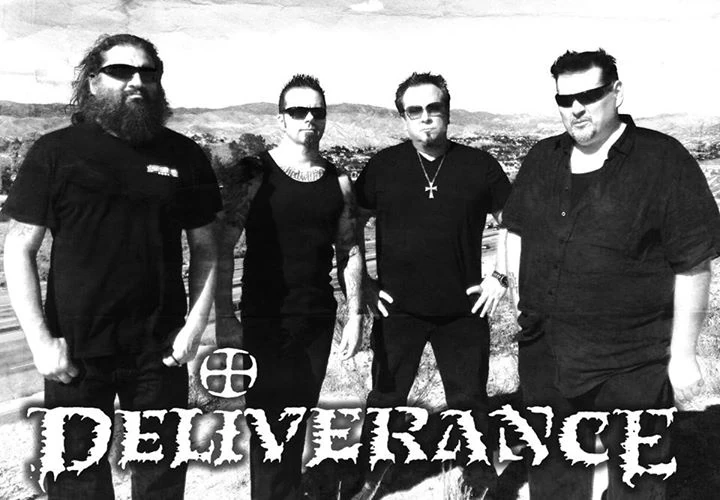
- Deliverance:
- Deliverance, one of the most iconic Christian thrash bands, released several landmark albums during this period, including What a Joke (1991) and Learn (1993).
- Their early speed-metal style matured into a more technical and experimental sound, with socially conscious and spiritually reflective lyrics.
- Tourniquet:
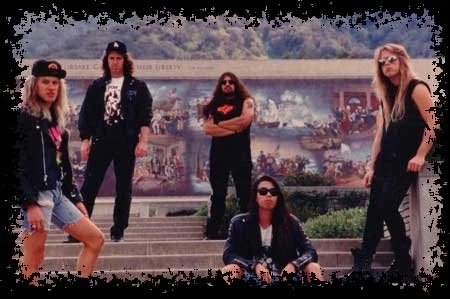
- Formed in 1990, Tourniquet quickly became a cornerstone of Christian technical thrash and progressive metal.
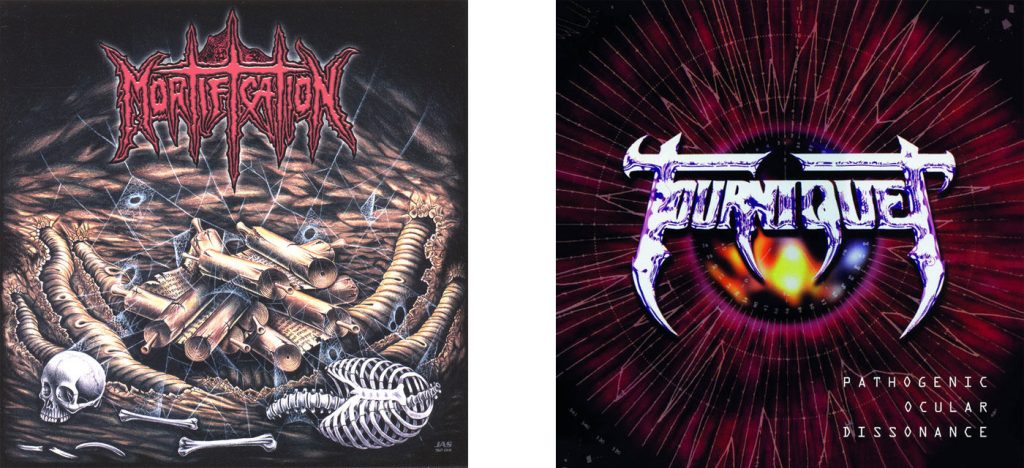
- Albums like Stop the Bleeding (1990), Psycho Surgery (1991), and Pathogenic Ocular Dissonance (1992) showcased virtuosic musicianship, medical-themed lyrics, and Biblical allegories.
- Songs such as “Broken Chromosomes” and “Ark of Suffering” tackled topics like animal cruelty, mental health, and redemption.
b. Death Metal and Extreme Metal
- Mortification:
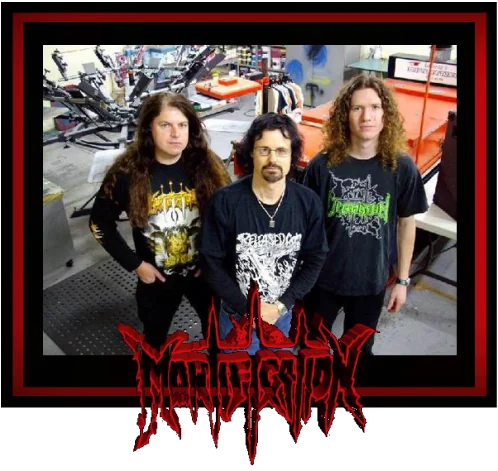
- Hailing from Australia, Mortification became one of the first Christian death metal bands to gain international recognition.
- Their self-titled debut album in 1991 and subsequent releases like Scrolls of the Megilloth (1992) combined brutal death metal riffs with lyrics focusing on spiritual warfare and Biblical prophecy.
- Mortification’s aggressive sound and bold evangelism made them a leading force in Christian extreme metal.
- Living Sacrifice:
- Emerging as a thrash/death hybrid, Living Sacrifice released Nonexistent (1992) and Inhabit (1994), cementing their reputation as pioneers of Christian death metal.
- Their music combined downtuned riffs, guttural vocals, and introspective Christian themes.
- Paramaecium:
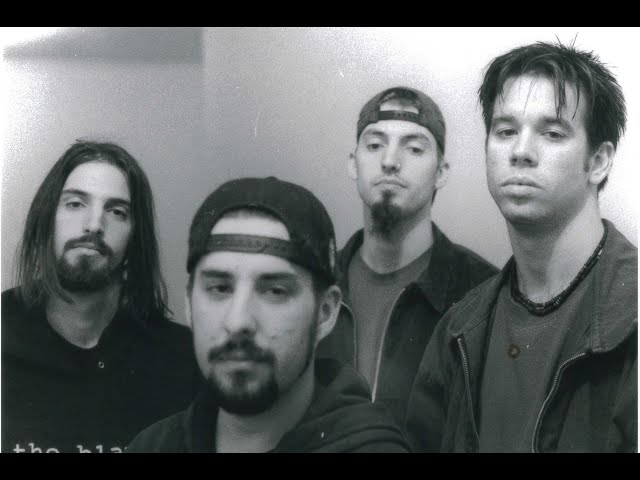
- A Christian doom/death band from Australia, Paramaecium released Exhumed of the Earth (1993), an album praised for its melancholic atmosphere and theological depth.
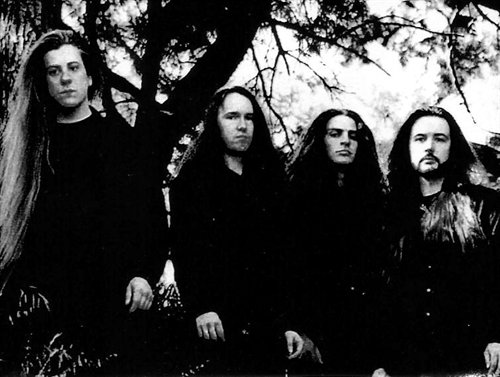
c. Glam and Traditional Heavy Metal
- Bride:
- Known for their glam-influenced heavy metal, Bride shifted toward a harder rock sound in the 1990s with albums like Kinetic Faith (1991) and Snakes in the Playground (1992).
- Their music featured bluesy riffs and lyrics addressing spiritual struggles and societal issues.
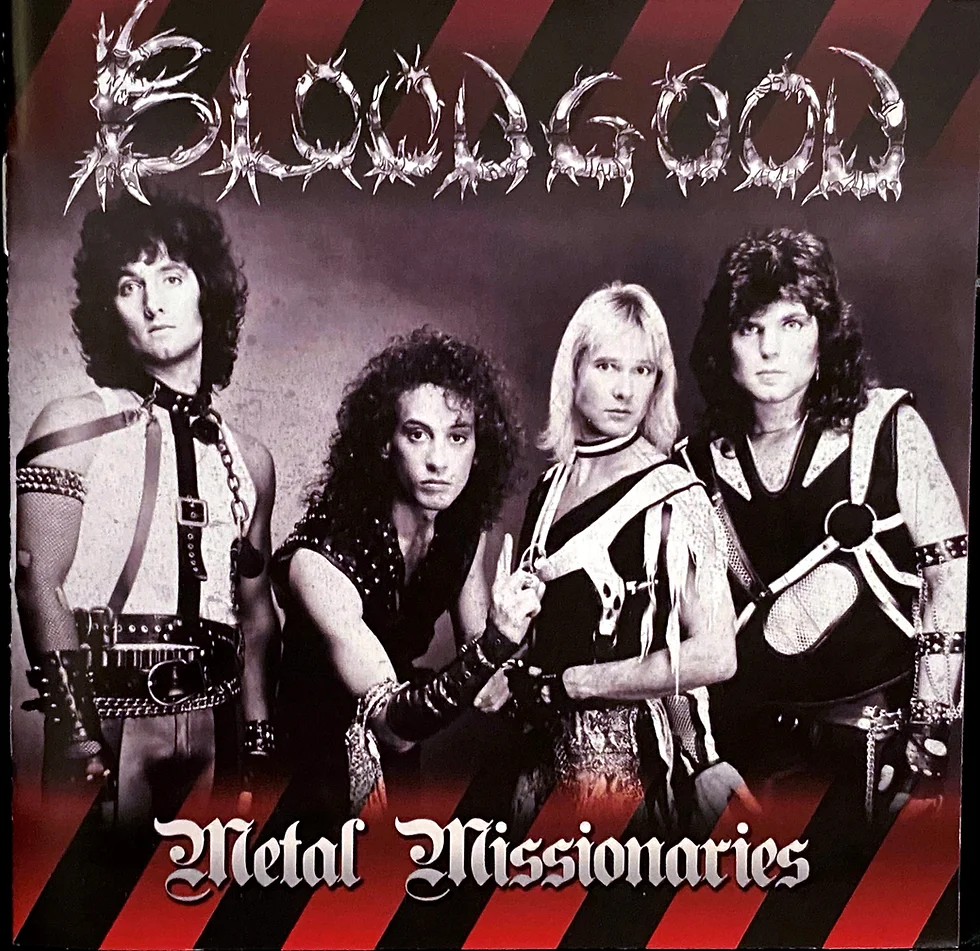
- Bloodgood:
- Bloodgood continued to be a significant presence in Christian metal with albums like All Stand Together (1991), though their popularity waned as glam metal’s influence diminished.
d. Doom and Progressive Metal
- Seventh Angel:
- A British band blending doom and thrash elements, Seventh Angel released Lament for the Weary (1992), an emotionally charged album exploring themes of human frailty and divine grace.
- Believer:
- Known for their technical thrash, Believer released Sanity Obscure (1990) and Dimensions (1993), incorporating progressive elements and orchestral interludes to explore philosophical and spiritual themes.
e. Black Metal
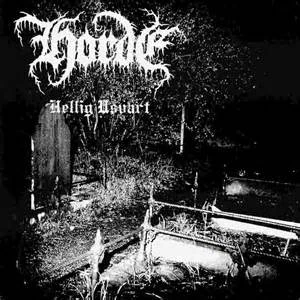
- Horde:
- Considered the first Christian unblack metal (anti-satanic black metal) band, Horde released Hellig Usvart in 1994. The album directly opposed satanic themes prevalent in traditional black metal, embracing Biblical messages of light and salvation.
- Horde’s raw, atmospheric sound laid the foundation for future Christian black metal acts.
Infrastructure: Labels, Festivals, and Communities
a. Christian Metal Labels
- R.E.X. Records:
- A key player in the 1990s Christian metal scene, R.E.X. Records signed many of the era’s leading bands, including Tourniquet, Living Sacrifice, and Mortification.
- Their releases reached international audiences, providing a platform for Christian metal in both Christian and secular markets.
R.E.X. Records Artist List
Argyle Park (changed name to AP2, then disbanded)
Believer (active, independent)
Bliss Bliss (changed name to BlissBliss, active, independent)
Circle of Dust (active; members went on to form Angeldust, Argyle Park, CHATTERbOX, Klank and Celldweller)
The Choir (active, with Galaxy21 Music)
Code of Ethics (active, currently signed with Razberry Records)
Crashdog (on indefinite hiatus)
Crimson Thorn (on hiatus)
Detritus (active, members in Seventh Angel)
Fleming & John (active, with Dweeb Records)
Four Living Creatures (disbanded; members went on to form Sweet Nectar, Elder and Fell Desire)
Haven (disbanded)
Hot Pink Turtle (disbanded; High School Buddies of Dig Hay Zoose; together, members went on to form Dev Null)
The Lead (disbanded; members went on to form Frank’s Enemy)
Leader Dogs for the Blind (disbanded)
Living Sacrifice (active, with Solid State Records)
Kerry Livgren (inactive)
Killed By Cain (disbanded)
Rose (inactive)
Mercy Rule (disbanded)
No Laughing Matter (inactive)
Paramaecium (disbanded; members went on to form InExordium and Revulsed)
Passafist (disbanded)
Rocketboy (disbanded)
Sacrament (disbanded)
Six Feet Deep (disbanded; members went on to form Brandtson)
Sixpence None the Richer (active, with Credential Recordings)
Sweet Nectar (disbanded)
The Throes (active, currently unsigned)
The Walk (active under name BRIDGE PROPHETS)
Trytan (disbanded)
Veni Domine (disbanded)
Whitecross (active, with Dark Star Records)
- Intense Records:
- Continued to support thrash and traditional metal bands, releasing pivotal albums by Deliverance, Bloodgood, and Sacred Warrior.
Intense Records Artist List
Angelica
Deliverance
Die Happy
globalWAVEsystem
Rose
Magdallan
Mortal
Mortification
Poor Old Lu
Recon
Sacred Warrior
Ken Tamplin
Tourniquet
Vengeance Rising
David Zaffiro
Saviour Machine
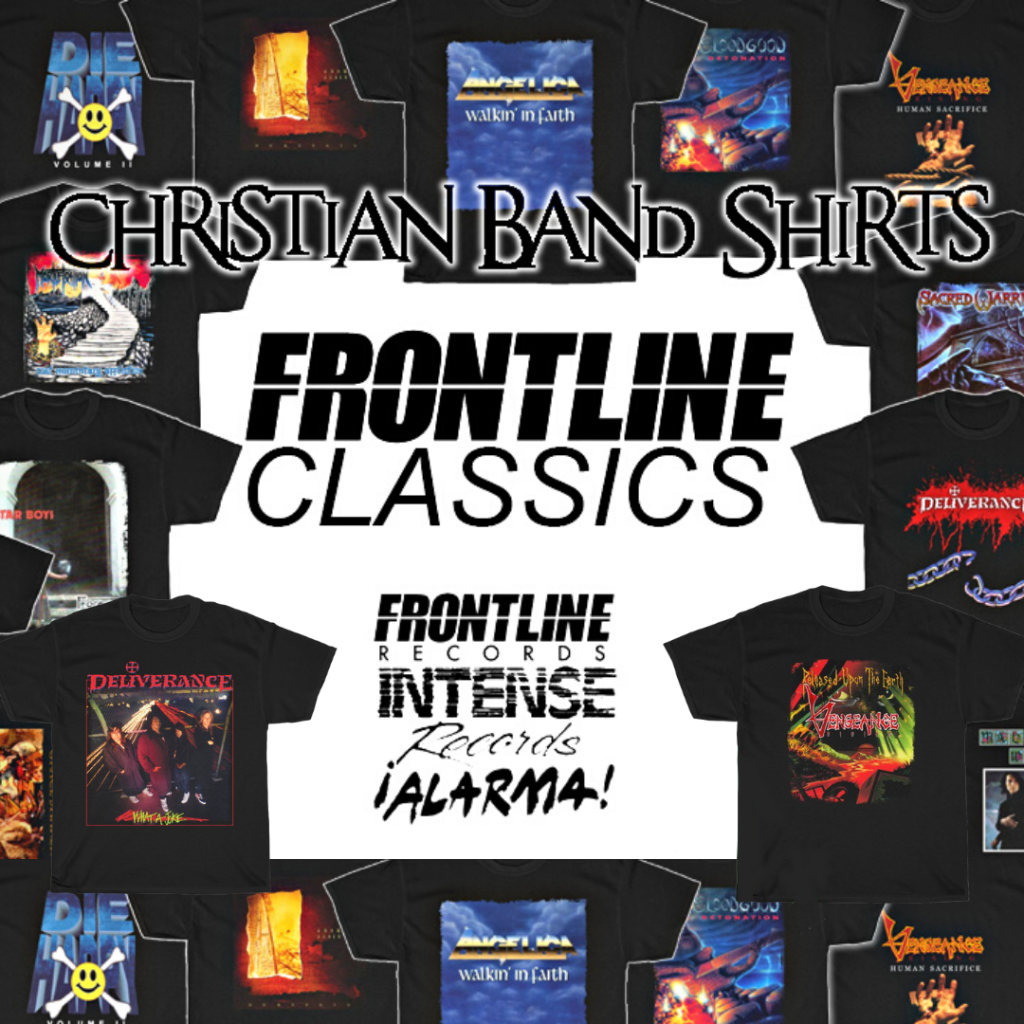
- Frontline Records:
- Played a significant role in distributing Christian metal, ensuring its presence in Christian bookstores and mail-order catalogs.
Frontline Records Artist List
12th Tribe
Altar Boys
American Made
Angelica
Apocalypse
Bill Baumgart
Scott Blackwell
Bloodgood
Christafari
Carson Cole & RU4
CMC’s
Common Bond
Crumbächer
Dead Artist Syndrome (DAS)
Die Happy
Lanny Cordola
Crumbächer
D-Boy
Daniel Amos (DA)
Deliverance
Dynamic Twins
Rick Elias
Mark Farner (of Grand Funk Railroad)
Gospel Gangstaz
Jon Gibson[16]
Benny Hester
Carol Huston
Idle Cure
Jacob’s Trouble
Paul Johnson & the Packards
Lauren Stalnecker
Less Is More
Crystal Lewis
Liaison
Lifesavers Underground
MC Ge Gee
M.C.RG
Michael Knott
Mad at the World
Magdallan
Debbie McClendon
Tim Miner
Mortal
Nicole (now Nicole C. Mullen)
Nobody Special
P.I.D.
Poor Old Lu
Preachaz
Sacred Warrior
Saviour Machine
Scaterd Few
S.F.C.
Peter Shambrook
Shout
Mike Stand
The Swirling Eddies
Terry Scott Taylor
Dr. Edward Daniel Taylor
Tourniquet
U.C.L.A. Gospel Choir
Veil of Ashes
Washington
Wild Blue Yonder
Angie & Debbie (of the Winans family)
Bernard Wright
David Zaffiro
b. Festivals and Tours
- Cornerstone Festival:
- As the premier Christian music festival, Cornerstone provided a major platform for Christian metal bands to perform and connect with fans.
- The festival’s mix of genres and strong metal representation helped foster a sense of community within the Christian metal scene.
- Check out every Cornerstone lineup in history here.
- Secular Metal Venues:
- Some Christian metal bands performed in secular venues, introducing faith-based messages to audiences unfamiliar with Christian music.
Themes and Messages
Christian metal bands of this era continued to explore a range of themes:
- Spiritual Warfare: Lyrics often depicted battles between good and evil, drawing on apocalyptic imagery and Biblical prophecy.
- Personal Struggles: Songs addressed mental health, addiction, and redemption, offering hope through faith.
- Evangelism: Bands like Mortification and Tourniquet boldly incorporated Scripture and Gospel messages into their music.
Challenges and Controversies
a. Christian Criticism
- Conservative Christians criticized Christian metal for adopting the aggressive sounds and aesthetics of secular metal, which many associated with rebellion and immorality.
- Bands like Horde faced backlash for their association with black metal, a genre notorious for its satanic themes, despite their anti-satanic stance.
b. Secular Perception
- Christian metal bands often struggled for acceptance in the broader metal community, where their faith-based lyrics were sometimes dismissed as preachy or unmetal.
Legacy of the Era
The 1990–1995 period was foundational for Christian metal, establishing many of the genre’s defining characteristics:
- Diverse Subgenres: Christian metal expanded beyond glam and thrash into death metal, doom, black metal, and progressive styles.
- Global Reach: Bands from Australia, Europe, and North America gained international recognition, solidifying Christian metal as a global phenomenon.
- Credibility: With albums like Mortification’s Scrolls of the Megilloth and Tourniquet’s Pathogenic Ocular Dissonance, Christian metal demonstrated its ability to match the technical and artistic quality of secular metal.
Christian Metal Was Gaining Traction Quickly
Between 1990 and 1995, Christian metal came into its own as a genre, with bands achieving new levels of musical sophistication, thematic depth, and international recognition. This era laid the foundation for the continued evolution of Christian metal in the late 1990s and beyond, proving that faith and metal could coexist in a powerful and meaningful way.
Christian Metal: 1995-2000
The late 1990s was a transformative era for Christian metal, characterized by its growth into new subgenres, increasing mainstream exposure, and the development of a thriving underground scene. While many of the foundational Christian metal bands from the 1980s and early 1990s continued their work, this period also saw the emergence of new bands that expanded the genre’s sound and reach. Below is a comprehensive and unabridged history of Christian metal from 1995 to 2000.
Metal in the Late 1990s
Metal music as a whole underwent significant changes in the late 1990s:
- Mainstream Trends: The rise of nu-metal (Korn, Limp Bizkit, Slipknot) and post-grunge (Creed, Nickelback) dominated the charts, shifting attention away from traditional metal subgenres.
- Underground Metal: Genres like black metal, death metal, and doom metal continued to thrive in the underground, appealing to niche audiences.
- Metalcore and Hardcore Fusion: Metalcore, a blend of metal and hardcore punk, began to gain traction, setting the stage for its explosion in the 2000s.
Christian metal responded to these developments by embracing both mainstream and underground trends while maintaining its distinct spiritual themes.
Key Christian Metal Bands and Releases
a. Thrash, Death, and Extreme Metal
- Mortification:
- Mortification remained one of the most prominent Christian extreme metal bands, continuing to release influential albums like EnVision EvAngelene (1996) and Triumph of Mercy (1998).
- Their music combined elements of death, thrash, and power metal with bold evangelistic lyrics, often tackling themes of spiritual warfare and salvation.
- Living Sacrifice:
- Transitioning from their thrash and death metal roots, Living Sacrifice embraced a more groove-oriented and hardcore-influenced sound on albums like Reborn (1997).
- The band’s innovative approach earned them respect in both Christian and secular metal circles, influencing the emerging metalcore genre.
- Paramaecium:
- Paramaecium continued to push the boundaries of Christian doom metal with their 1996 album Within the Ancient Forest. Known for their orchestral arrangements and melancholic themes, they explored concepts of redemption and spiritual struggle.
- Antestor:
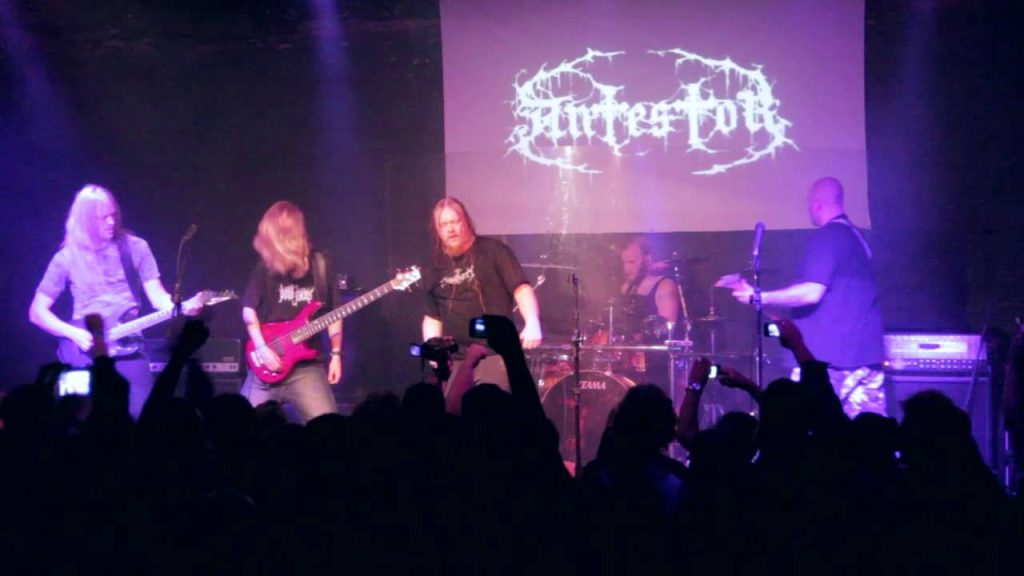
- As one of the earliest Christian black metal bands, Antestor released The Return of the Black Death (1998), blending atmospheric black metal with lyrics focused on faith and hope.
b. Metalcore and Emerging Subgenres
- Zao:
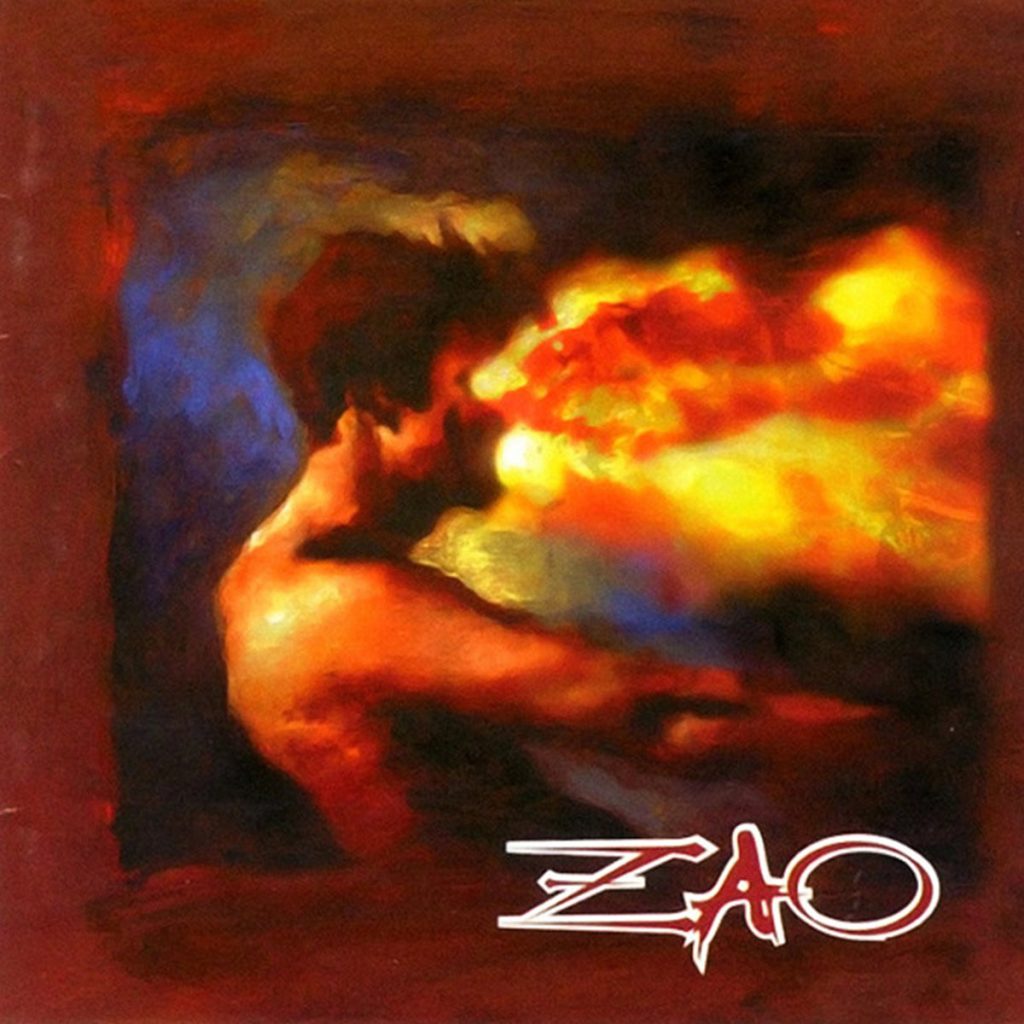
- Zao became one of the most influential bands in the burgeoning Christian metalcore scene. Albums like Where Blood and Fire Bring Rest (1998) and Liberate Te Ex Inferis (1999) combined raw, emotional intensity with theological and existential themes.
- Their unorthodox vocal style, dissonant riffs, and dark atmosphere helped redefine Christian metalcore.
- Training for Utopia:
- Training for Utopia, active from 1996 to 2000, blended metalcore with industrial elements, releasing albums like Plastic Soul Impalement (1998). Their experimental approach broadened the scope of Christian heavy music.
c. Power, Progressive, and Traditional Heavy Metal
- Tourniquet:
- Tourniquet continued to innovate, blending progressive and technical metal with their signature medical-themed and spiritually driven lyrics. Albums like Crawl to China (1997) showcased their versatility and willingness to experiment with different styles.
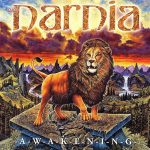
- Narnia:
- Hailing from Sweden, Narnia emerged in the late 1990s as a leading Christian power metal band. Their debut album Awakening (1998) featured soaring vocals, melodic guitar solos, and lyrics inspired by Christian faith and C.S. Lewis’s literary works.
- Rob Rock:
- Known for his work with Impellitteri, Rob Rock launched a successful solo career with Rage of Creation (2000), delivering powerful heavy metal with spiritually uplifting themes.
Labels and Distribution
a. Prominent Christian Metal Labels
- Tooth & Nail Records:
- Known for its role in the Christian punk and alternative scenes, Tooth & Nail began promoting heavier acts through its subsidiary, Solid State Records, founded in 1997. Solid State became a hub for Christian metalcore and extreme metal bands, signing acts like Zao and Living Sacrifice.
- R.E.X. Records:
- R.E.X. Records continued to release albums by established Christian metal bands like Mortification but struggled financially, eventually ceasing operations by the end of the decade.
- Nuclear Blast and Metal Blade Records:
- Some Christian bands, like Narnia and Mortification, gained exposure through mainstream metal labels, helping bridge the gap between Christian and secular audiences.
b. Distribution Challenges and Innovations
- Christian metal albums were still primarily sold through Christian bookstores and mail-order catalogs. However, the rise of the internet allowed fans to discover and share music more easily, fostering a growing global community.
Festivals and Community Building
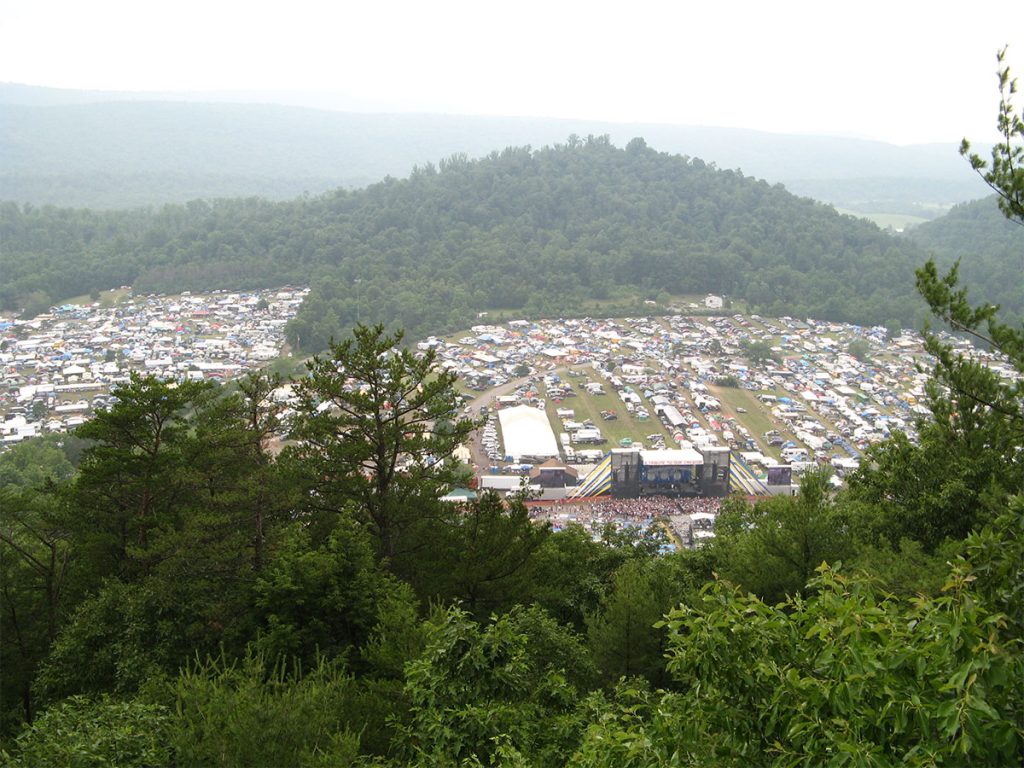
Christian metal festivals and gatherings continued to play a crucial role in the genre’s development:
- Cornerstone Festival:
- Cornerstone remained a cornerstone (pun intended) of the Christian music scene, showcasing both veteran and emerging Christian metal bands.
- Creation Festival:
- While focused on broader Christian music, Creation began including more metal acts, giving them a platform to reach diverse audiences.
- Secular Metal Festivals:
- Some Christian bands performed at secular metal festivals, often receiving mixed reactions but gaining exposure and credibility within the broader metal community.
Themes and Messages
Christian metal in the late 1990s addressed a wide range of themes, often influenced by the darker and more introspective tone of contemporary metal:
- Spiritual Warfare: Bands like Mortification and Antestor explored apocalyptic imagery and the struggle between good and evil.
- Personal Struggles: Zao and Living Sacrifice wrote about internal conflicts, mental health, and redemption, resonating with audiences on a deeply personal level.
- Evangelism: Many bands continued to prioritize evangelistic messages, using their music as a tool for ministry.

Challenges and Controversies
Christian metal faced several challenges during this period:
- Christian Criticism:
- Some conservative Christians continued to view metal as incompatible with Christian values, criticizing bands for their aggressive sound and dark imagery.
- Secular Skepticism:
- Many secular metal fans dismissed Christian bands as inauthentic or preachy, limiting their acceptance within the broader metal scene.
- Label Struggles:
- Financial difficulties and limited resources hindered the growth of Christian metal labels, affecting album production and distribution.
Legacy and Influence
The 1995–2000 era solidified Christian metal’s place within the metal world, laying the groundwork for its continued evolution:
- Emergence of Metalcore: Bands like Zao and Training for Utopia paved the way for the explosion of Christian metalcore in the 2000s.
- Global Reach: Bands from Europe, Australia, and the United States gained international recognition, spreading Christian metal’s influence across continents.
- Genre Diversity: Christian metal expanded into new subgenres, ensuring its relevance in an ever-changing metal landscape.
Christian Metal Was Exploding
The period from 1995 to 2000 was a time of growth, experimentation, and diversification for Christian metal. Bands like Mortification, Living Sacrifice, Zao, and Narnia pushed the boundaries of the genre, exploring new sounds and themes while staying true to their spiritual roots. Despite challenges, Christian metal built a strong foundation for the 21st century, establishing itself as a unique and enduring force within the global metal scene.
Christian Metal: 2000-2005
The years from 2000 to 2005 marked a period of unprecedented growth and diversification for Christian metal. During this time, Christian metal became more widely recognized in both the Christian music scene and the secular metal community. This era saw the explosion of metalcore, the emergence of technical and progressive styles, and the continued development of extreme metal subgenres such as death, black, and doom metal within Christian metal. Below is a comprehensive and unabridged account of the genre’s evolution during these pivotal years.
Metal in the Early 2000s
The early 2000s was a dynamic period for metal as a whole:
- Metalcore Dominance: Metalcore, a fusion of metal and hardcore punk, emerged as one of the most popular subgenres. Bands like Killswitch Engage, As I Lay Dying (long before the vocalist plotted to kill his wife and the band left the Christian scene), and Shadows Fall defined this movement.
- Resurgence of Traditional Metal: Power and progressive metal saw a resurgence, with bands like Dream Theater, Symphony X, and Nightwish gaining mainstream attention.
- Mainstream Popularity of Nu-Metal: Nu-metal bands like Linkin Park and Slipknot continued to dominate mainstream charts.
- Underground Flourishing: Death, black, and doom metal continued to thrive in the underground scene, with bands incorporating more technicality and atmospheric elements.
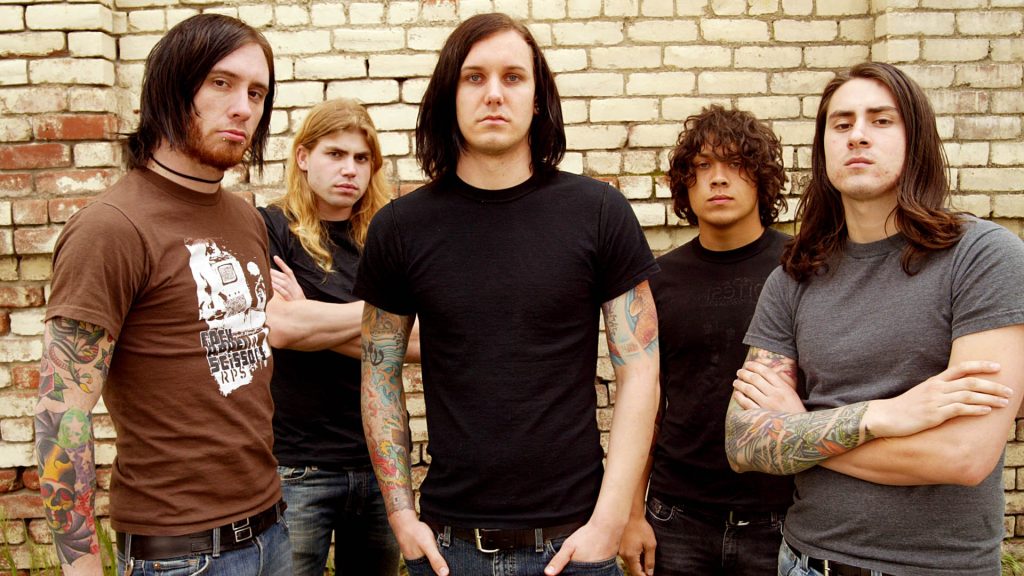
Christian metal adapted to these trends, leading to a dramatic expansion of the genre’s scope and audience.
Key Bands and Releases
a. Metalcore and Post-Hardcore
The early 2000s saw the rise of Christian metalcore, which became one of the most influential subgenres within Christian metal.
- As I Lay Dying:
- Formed in 2001, As I Lay Dying quickly became one of the most prominent Christian metalcore bands. Albums like Frail Words Collapse (2003) and Shadows Are Security (2005) featured blistering riffs, melodic interludes, and introspective lyrics addressing themes of faith and human frailty.
- The band gained widespread acclaim and became a bridge between Christian and secular metal scenes.
- Underoath:
- Initially a Christian black metal band, Underoath transitioned to a more melodic metalcore/post-hardcore sound with albums like The Changing of Times (2002) and They’re Only Chasing Safety (2004).
- Their combination of emotional clean vocals, intense screams, and faith-based lyrics appealed to both Christian and secular audiences.
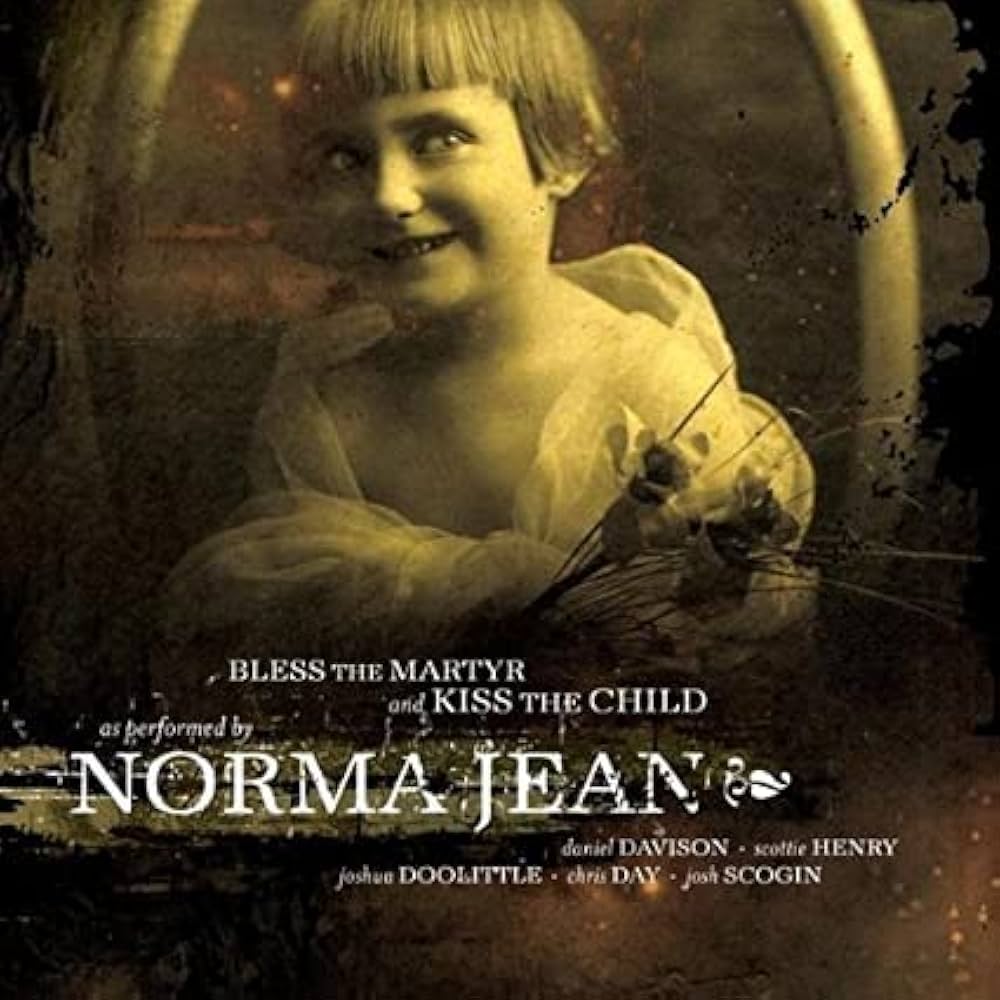
- Norma Jean:
- Norma Jean, formed in 2002, combined chaotic metalcore with faith-driven lyrics. Their album Bless the Martyr and Kiss the Child (2002) became a cornerstone of Christian metalcore, featuring tracks like “Memphis Will Be Laid to Waste.”
- Zao:
- Zao, a veteran of the Christian metalcore scene, continued their success with albums like Liberate Te Ex Inferis (2000) and The Funeral of God (2004), which explored theological and existential themes through a raw and emotional lens.
- Haste the Day:
- Emerging in 2002, Haste the Day released Burning Bridges (2004) and When Everything Falls (2005), blending melodic hooks with heavy breakdowns and spiritual lyrics.
b. Death Metal and Extreme Metal
Christian extreme metal continued to thrive in the underground, with bands exploring new levels of technicality and thematic depth.
- Becoming the Archetype:
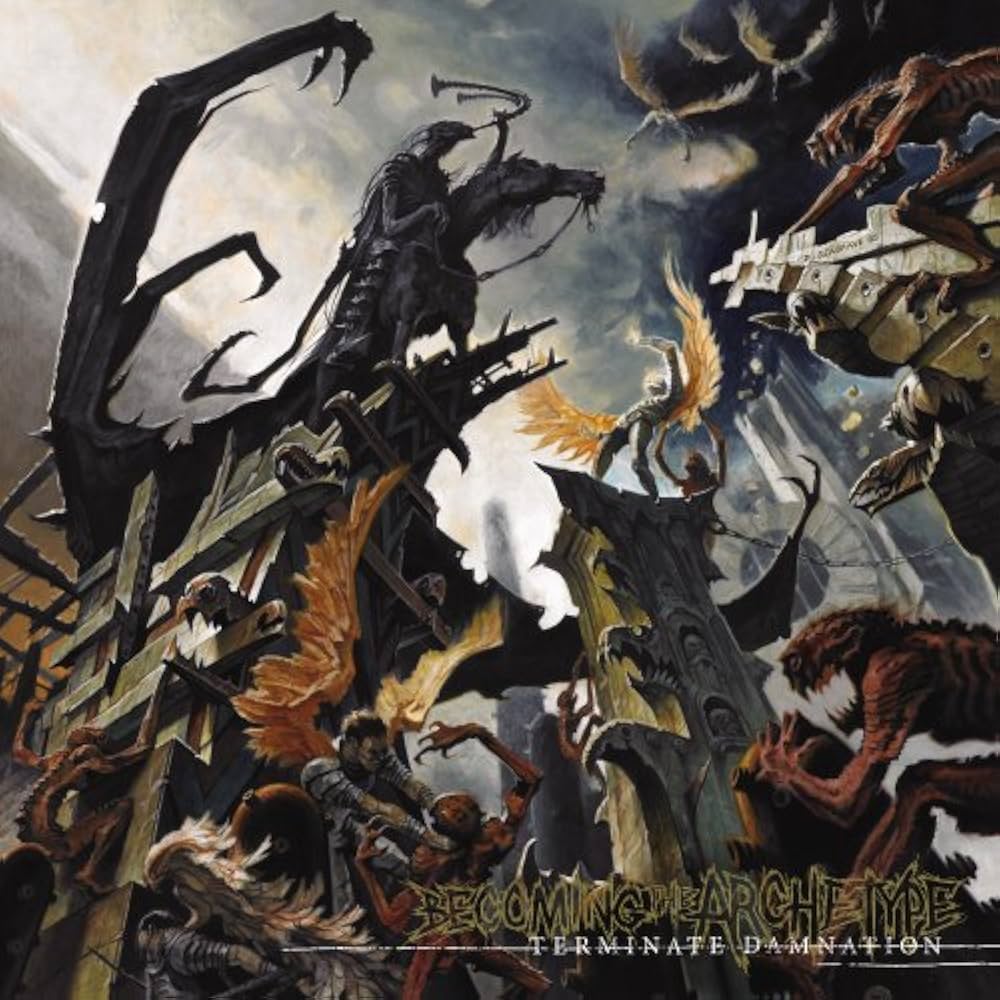
- Formed in 2004, Becoming the Archetype released their debut album Terminate Damnation (2005), blending technical death metal, progressive elements, and faith-based themes.
- Mortification:
- Mortification remained a key player in Christian death metal, releasing albums like Relentless (2002) and Brain Cleaner (2004). While their popularity waned compared to earlier decades, they maintained a loyal fanbase.
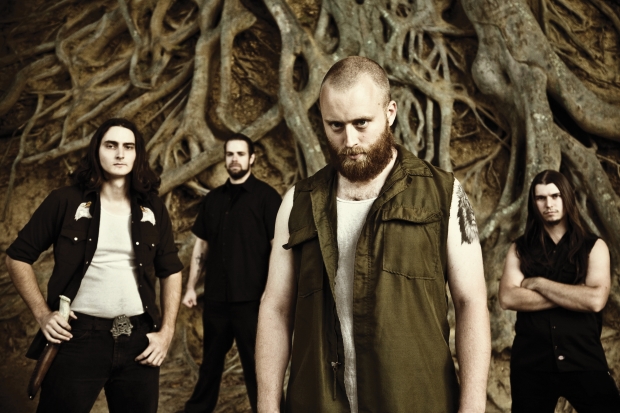
- Antestor:
- Antestor continued to represent Christian black metal, releasing The Defeat of Satan (2003), a compilation of their early works.
c. Progressive and Technical Metal
- Tourniquet:
- Tourniquet released Where Moth and Rust Destroy (2003), showcasing a blend of progressive, thrash, and power metal with complex arrangements and Biblical themes.
- Narnia:
- Swedish power metal band Narnia released Desert Land (2001) and The Great Fall (2003), featuring soaring vocals, melodic guitar solos, and lyrics inspired by Christian faith and C.S. Lewis’s writings.
d. Hardcore and Hardcore-Influenced Bands
Christian hardcore bands began integrating metal influences into their music, contributing to the rise of metalcore.
- The Chariot:
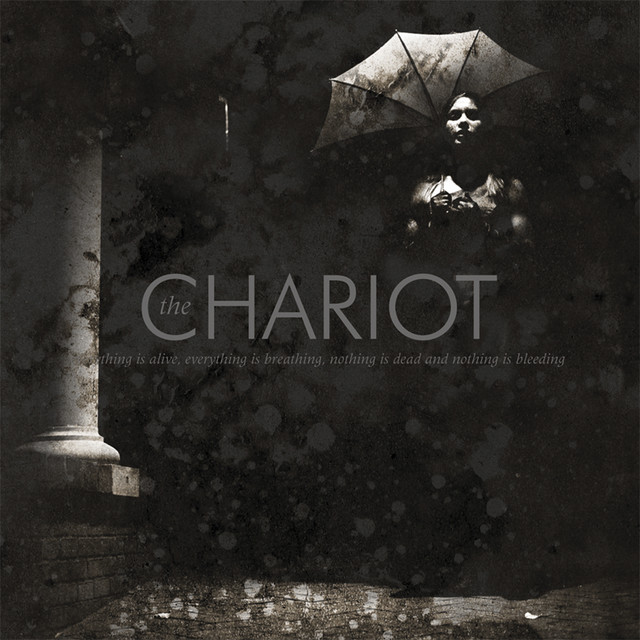
- Formed by former Norma Jean vocalist Josh Scogin, The Chariot released Everything Is Alive, Everything Is Breathing, Nothing Is Dead, and Nothing Is Bleeding (2004), combining raw energy with faith-driven themes.
Christian Metal Labels and Infrastructure
a. Rise of Solid State Records
- Solid State Records, a subsidiary of Tooth & Nail Records, became the epicenter of Christian metalcore during this period.
- The label signed many of the era’s most influential bands, including Underoath, Norma Jean, and Haste the Day, cementing its role as a driving force in the genre.
b. Facedown Records
- Facedown Records focused on heavier and more extreme Christian metal acts, including War of Ages and Impending Doom, providing a platform for underground Christian metal.
c. Mainstream Labels
- Some Christian metal bands, like As I Lay Dying, gained attention from mainstream metal labels, further bridging the gap between Christian and secular audiences.
Themes and Messages
Christian metal bands from 2000 to 2005 continued to explore a variety of theological and personal themes:
- Redemption and Salvation: Many bands emphasized the hope and grace found in Christ.
- Struggle and Suffering: Lyrics often addressed mental health, addiction, and spiritual battles.
- Existential and Philosophical Themes: Progressive bands like Becoming the Archetype explored complex theological and philosophical questions.
Festivals and Live Performances
Christian metal continued to thrive at festivals and live events:
- Cornerstone Festival: Remained a premier venue for Christian metal, showcasing both established and emerging acts.
- Ozzfest and Secular Tours: Bands like As I Lay Dying and Underoath performed at secular metal festivals, exposing Christian metal to broader audiences.
- Facedown Fest: A tour of all kinds of Christian metal bands. It was most popular in 2004.
Challenges and Controversies
Christian metal faced ongoing challenges during this era:
- Christian Criticism: Some conservative Christians criticized the aggressive sound and imagery of Christian metal, questioning its compatibility with faith.
- Secular Skepticism: Despite growing acceptance, some secular metal fans remained wary of Christian bands, perceiving them as preachy or inauthentic.
Legacy of the Era
The 2000–2005 period left a lasting impact on Christian metal:
- Global Reach: Bands like As I Lay Dying and Underoath achieved international fame, bringing Christian metal to mainstream audiences.
- Metalcore Explosion: The rise of Christian metalcore inspired countless bands and fans, shaping the future of the genre.
- Diversity of Subgenres: From black and death metal to progressive and metalcore, Christian metal expanded into nearly every corner of the metal world.
The Groundwork Was Laid
Between 2000 and 2005, Christian metal entered a new era of growth and innovation. With the rise of metalcore, the continued development of extreme metal, and increased mainstream recognition, the genre solidified its place as a powerful and diverse movement within both Christian and secular music. The groundwork laid during this period set the stage for further evolution and success in the years to come.
Continue: 2006-2010